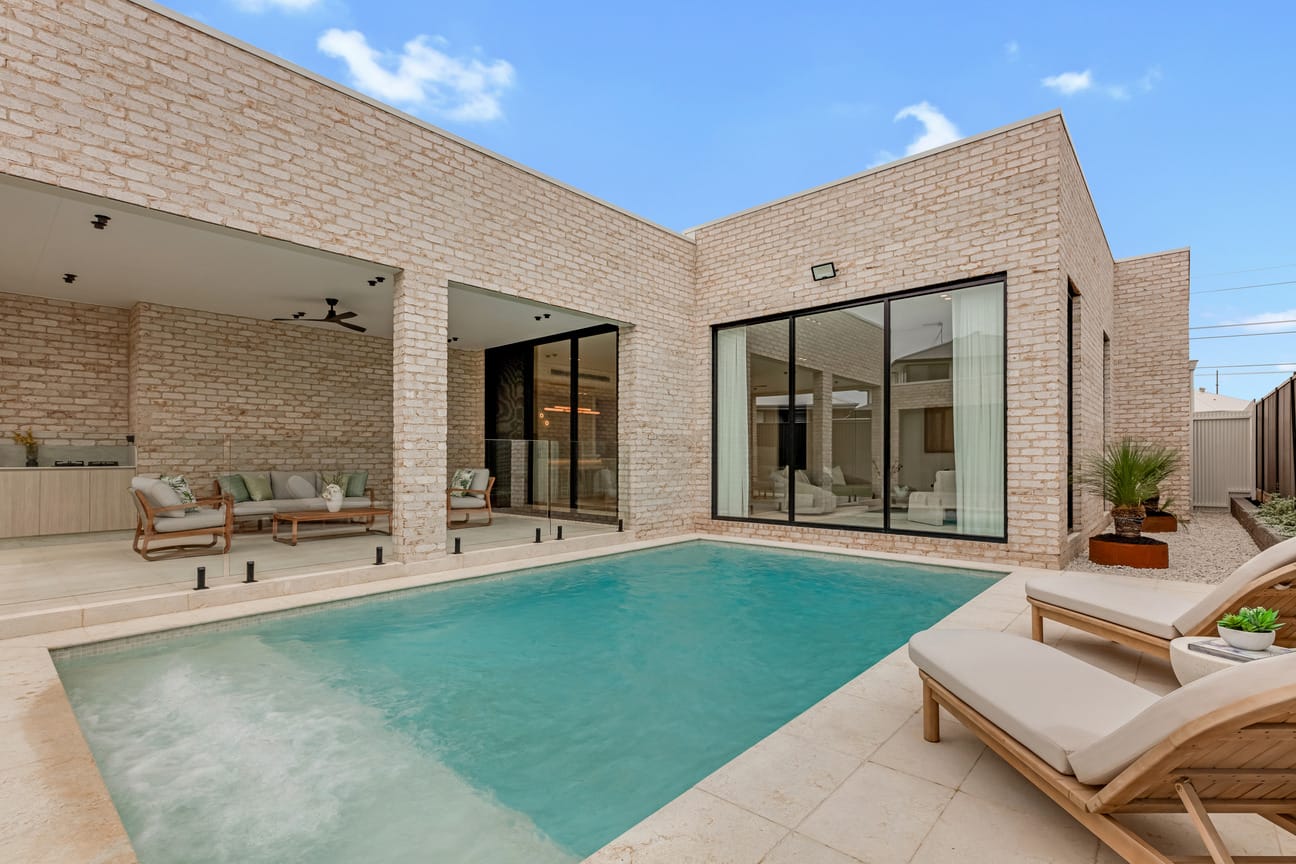
National building standards establish the minimum level of quality and performance that every new home must achieve.
To receive approval from consenting authorities, all new homes must meet these baseline requirements. But that is what it truly is: a minimum standard. In reality, we often want to go beyond the minimum to create a quality of space that looks great for years and can easily handle the needs and knocks of daily life.
What does quality mean to you?
Once you’re clear on the things that matter most, you can share those priorities with your designer and builder, helping them make informed decisions about the materials, products and construction methods that will bring your vision to life.
Here are some of the most common things homeowners tell us they wish they’d considered earlier in the design process:
.jpg&w=1640&q=80)
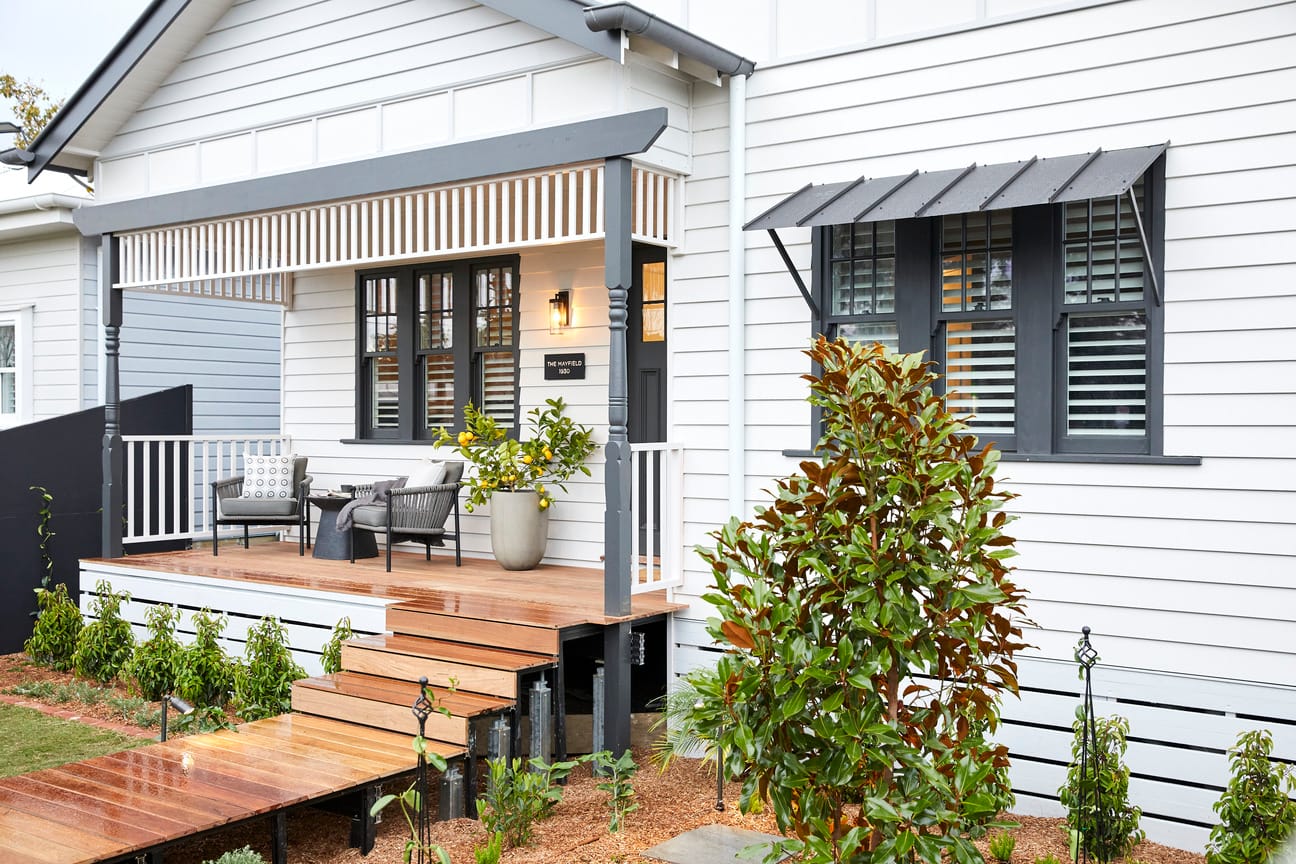
Built for everyday life
It’s worth taking the time to think about what quality means to you beyond the finishes and fixtures you can see. Consider how you want your home to feel, not just on day one, but in five, ten or even twenty years’ time. Share those priorities with your designer and builder, and ask what design choices, materials and construction methods can help bring that vision of quality to life.
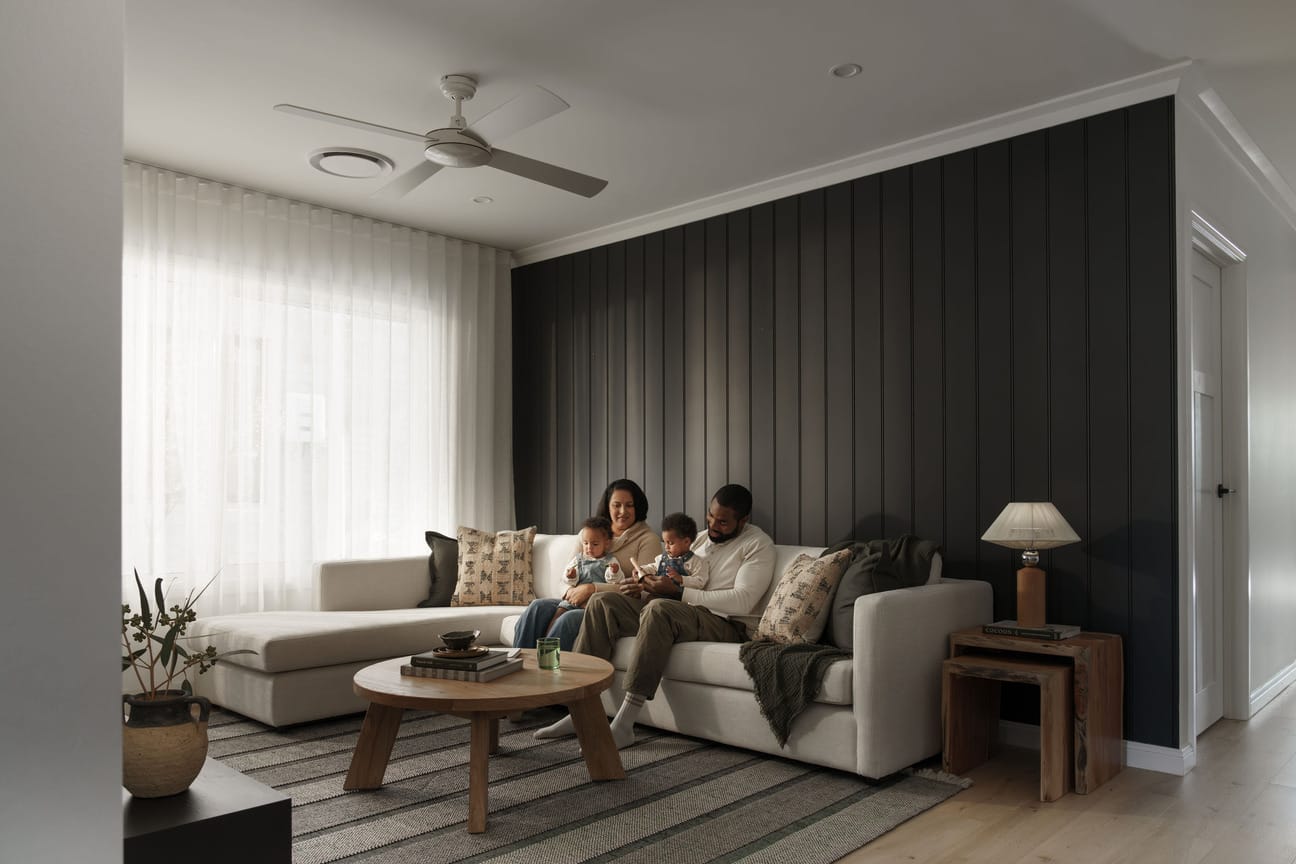
Plan for everyday wear and tear
Children, pets and mobility aids can be tough on a home. Consider durable wall finishes in high-traffic areas, washable paints, and hard-wearing flooring that can handle daily life. It’s also worth thinking about how easy it will be to repair or replace damaged materials in the future.
Think carefully about noise
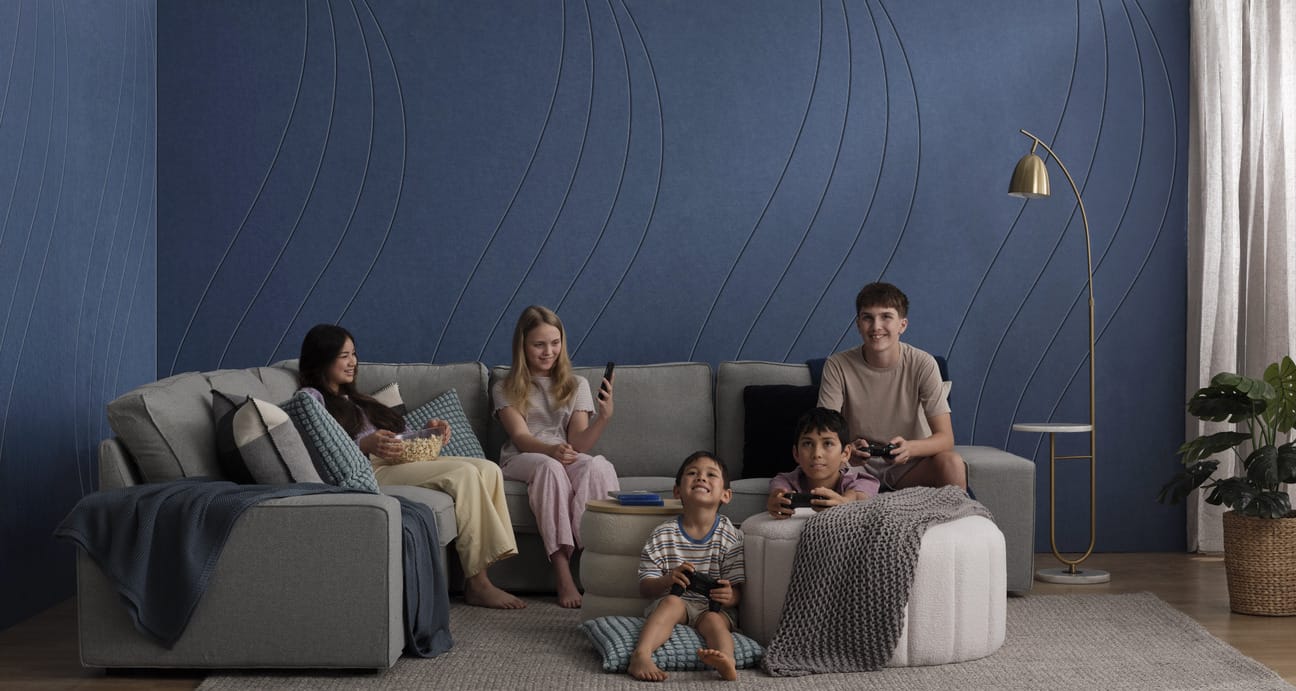
Sound transfer between rooms is one of the most common sources of frustration in a new home. Consider where quiet matters most, such as bedrooms, home offices or retreat spaces, and discuss acoustic insulation or other noise-reducing solutions with your designer.
Decide how you feel about ageing and maintenance
Some people love materials that develop character over time, while others prefer a home that looks as new as possible for years to come. Understanding where you sit on this spectrum can help guide decisions about flooring, cladding, finishes and the level of maintenance you’re comfortable with over the long term.