
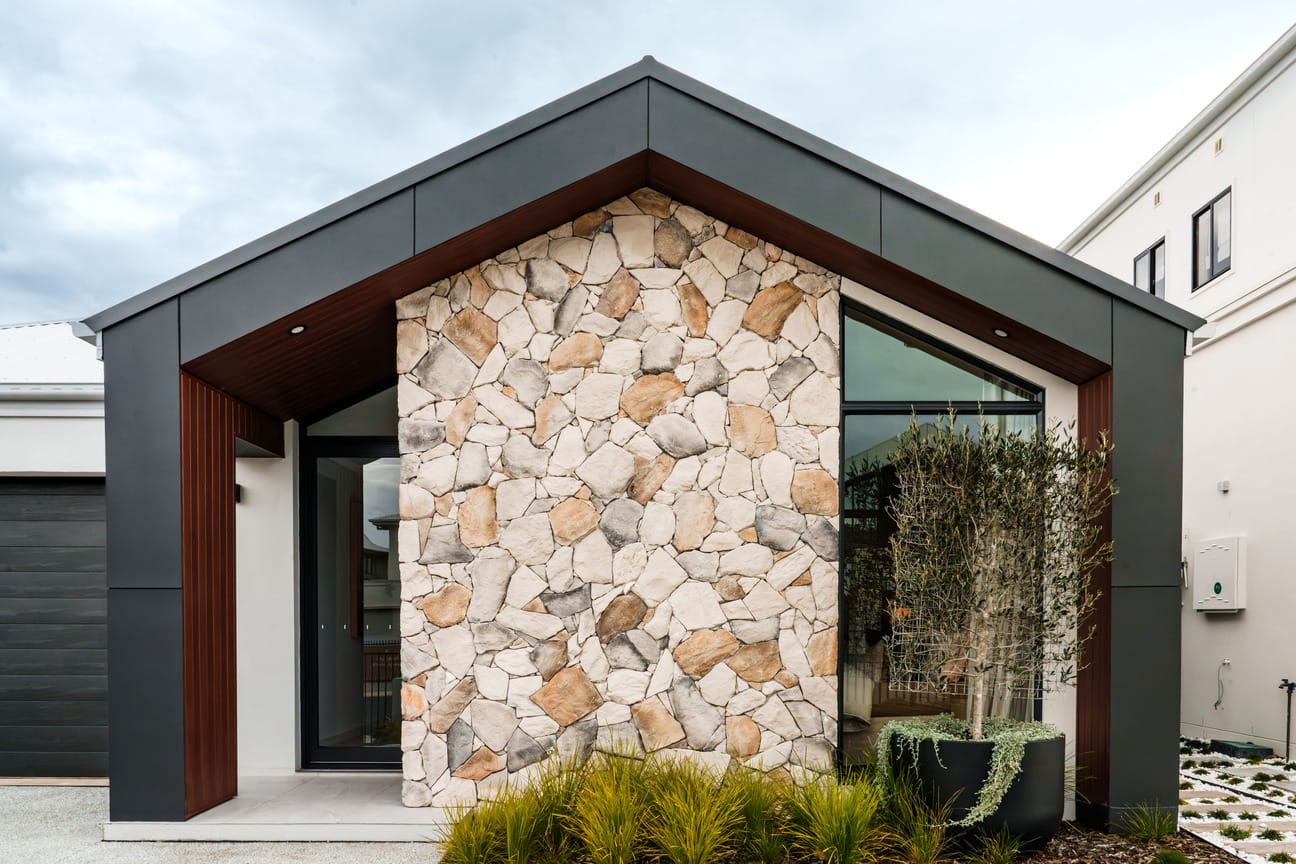
One of the things we hear from homeowners is that the finished product didn’t match their samples, and therefore, their expectations.
This can often be the case with natural materials like masonry products, where colour, texture and pattern variation are part of what makes them unique. When selecting materials, consider the following:
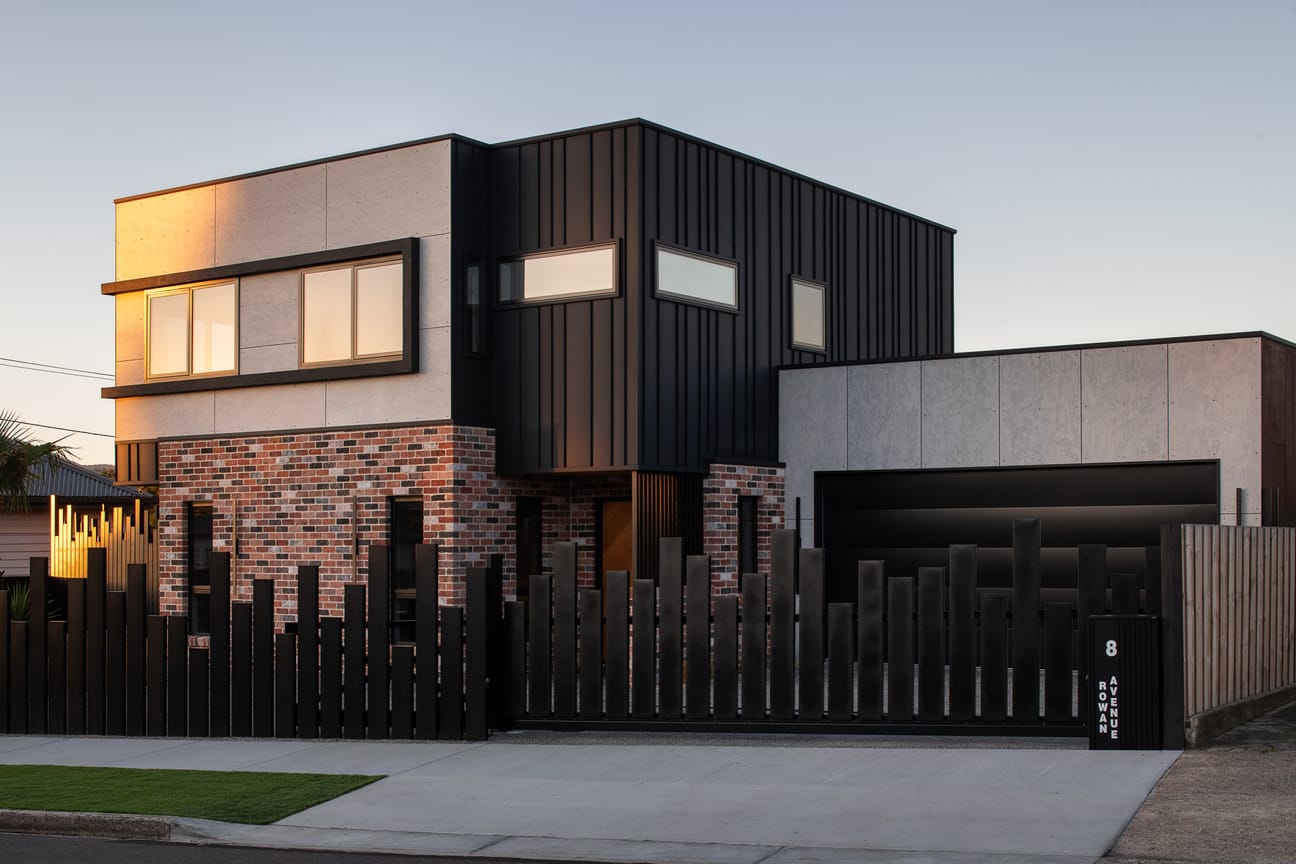
Ask to see the full range of variation if applicable.
Don’t just look at a small sample in isolation. Seek to understand what the product looks like at both ends (varied patterns & textures, heavy to light blending or the widest colour variation).
View the product
at scale.
A small sample can look very different when installed across an entire wall, floor or facade. Ask to see project photos, display homes or completed installations featuring the product.
View in natural light or similar lighting conditions.
Light has a significant impact on how colours, textures and finishes are perceived. Natural and artificial light can dramatically change how a material appears.
A little extra investigation during the selection stage can go a long way towards ensuring the finished result matches your expectations.
Why is there variation in the first place?
Variation is a natural part of many building materials and one of the reasons they feel authentic and unique.
Batch variation
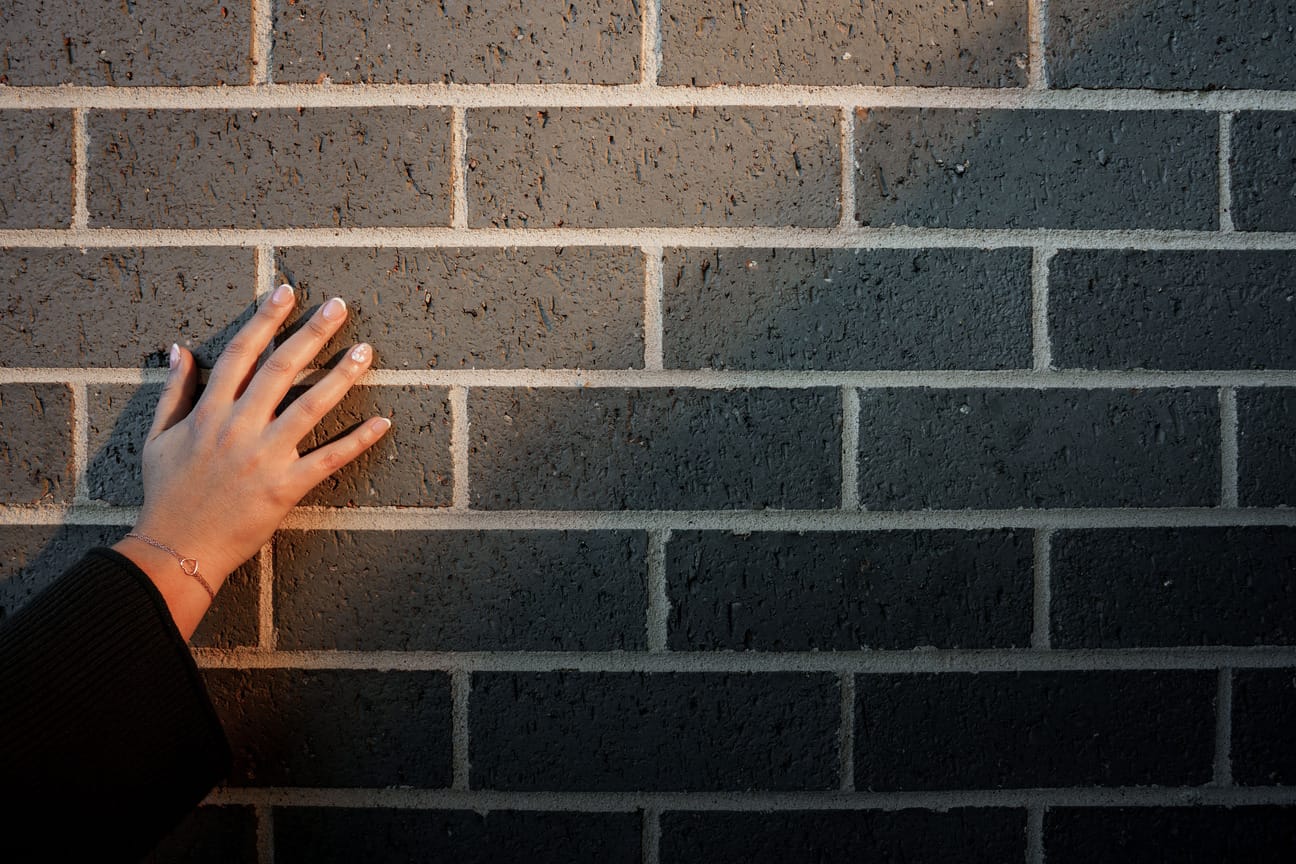
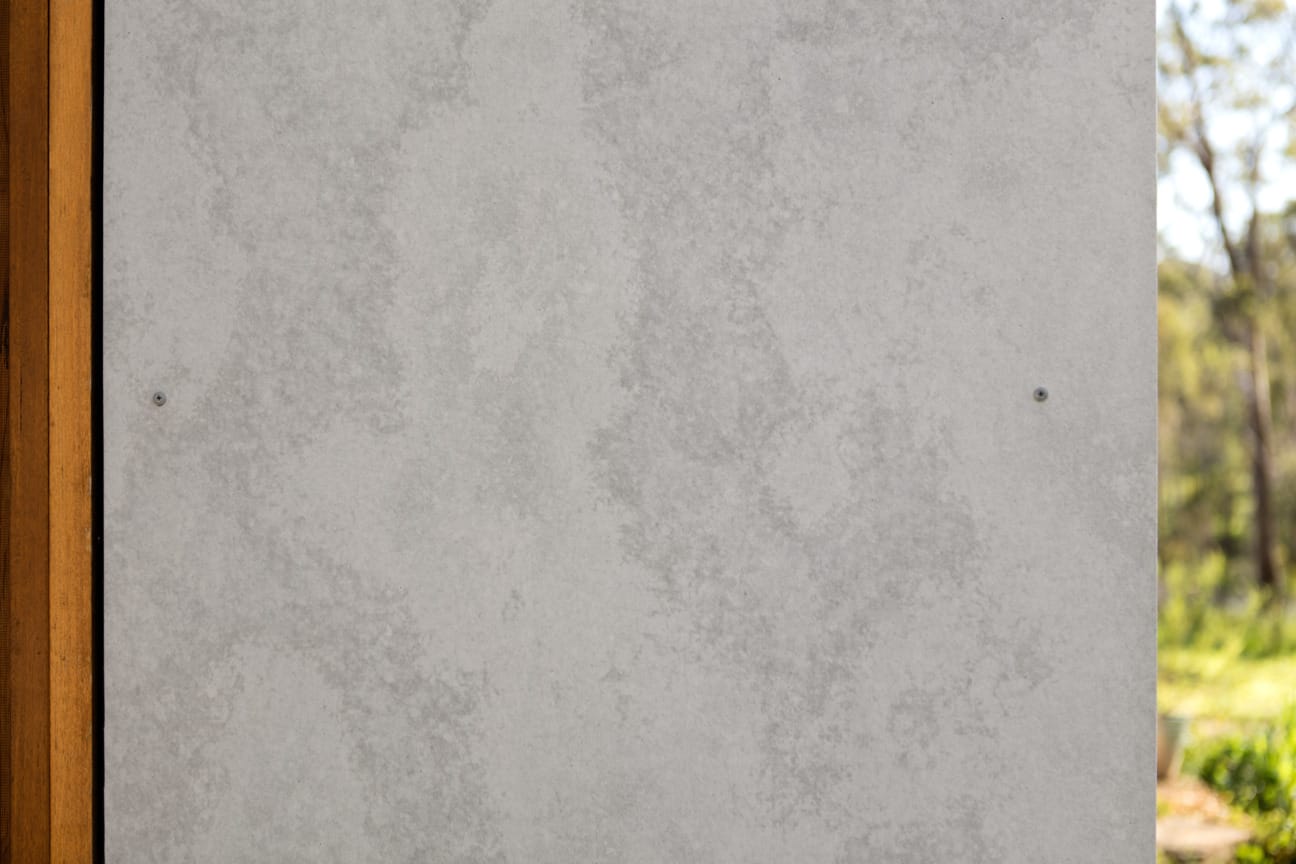
Products such as bricks, tiles and some manufactured finishes are produced in batches. Small differences in production conditions, pigments or raw materials can lead to subtle variations in colour, texture or pattern between batches.
Natural variation
Materials like timber and veneer naturally vary from board to board. Grain patterns, knots and colour tones are all part of the character of the material, meaning no two pieces will look exactly the same.
If consistency is important to you, ask to see examples showing the full range of variation you can expect. Understanding this upfront can help ensure the finished result aligns with your expectations.
What can I do if I’ve already locked in a choice?
If you’ve chosen a product that is manufactured in batches, try to source all materials from the same batch where possible.
If multiple batches are required, ask your installer to blend materials from different pallets as they work. This helps spread any variation evenly across the finished surface rather than creating noticeable patches. It’s also worth ordering a little extra upfront, both to cover any unexpected waste and to ensure matching materials are available for future repairs.
For natural materials, consider asking for a small test installation before the full product is installed.
This gives you the chance to see how the material, finish or stain will look at scale and in the lighting conditions where it will ultimately be used.
Most natural and manufactured products have acceptable variation ranges, which are often covered by supplier warranties and building contracts. If something doesn’t look right, raise it with your builder as early as possible.
Addressing concerns before installation is complete is usually simpler and more cost effective than making changes later. If needed, your builder can also involve the supplier to assess whether the variation falls within normal industry tolerances.